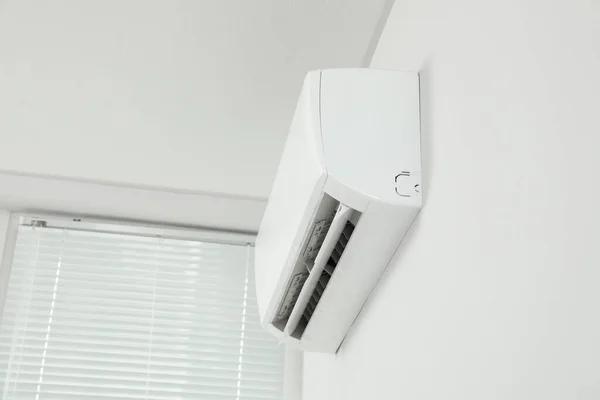
A window air conditioner is an excellent option for cooling small spaces due to its compact design, ease of installation, and cost-effectiveness. Unlike central air conditioning systems that require extensive ductwork and professional setup, window units can be installed directly into a window frame with minimal effort. This makes them particularly suitable for apartments, small rooms, or offices where space and budget constraints are common concerns. The straightforward installation process allows users to quickly set up the unit without needing specialized tools or expertise.
One of the main advantages of a window air conditioner is its ability to efficiently cool limited areas without wasting energy on unoccupied parts of a building. These units are designed to provide targeted cooling power appropriate for smaller rooms, ensuring consistent comfort while keeping electricity consumption relatively low compared to larger systems. By focusing on one room at a time, users can avoid the high utility bills often associated with whole-house cooling solutions. Additionally, many modern window air conditioners come with energy-saving features such as programmable timers and adjustable thermostats that help optimize performance.
Space efficiency is another key benefit when choosing a Window Air Conditioner for small environments. Because these units fit snugly into existing windows, they do not occupy valuable floor space or interfere with furniture placement. This characteristic is especially important in compact living areas where maximizing usable square footage is crucial. Furthermore, removing the unit during colder months frees up the window entirely and prevents heat loss through unused equipment.
Maintenance requirements for window air conditioners are generally simple and manageable by most homeowners or renters. Regular cleaning of filters ensures optimal airflow and prolongs the life of the device while maintaining indoor air quality. Since these units operate independently from other appliances or HVAC components, troubleshooting issues tends to be more straightforward than dealing with centralized systems.
Cost considerations also make window air conditioners an attractive choice for small spaces. Initial purchase prices tend to be lower than those of portable or split-system alternatives designed for similar coverage areas. Installation costs are minimal because there’s no need for professional services in most cases unless modifications to windows are required.
In summary, a window air conditioner offers practical benefits including easy installation, efficient targeted cooling, space-saving design, simple maintenance tasks, and affordability which collectively make it an ideal solution for managing indoor climate in small spaces effectively and economically.