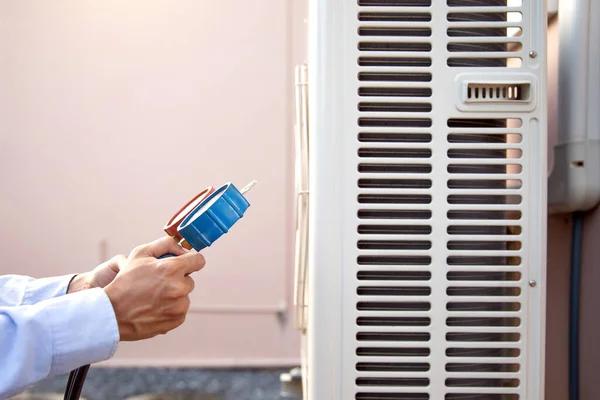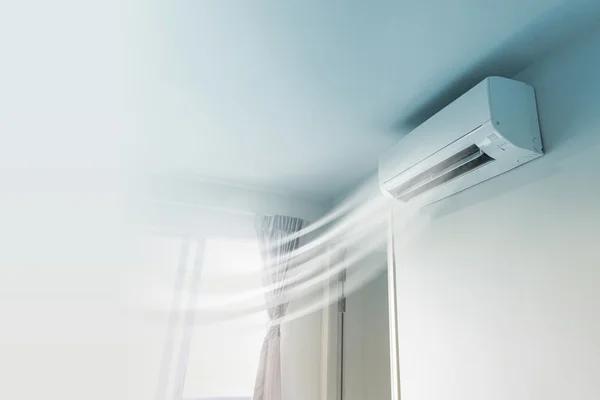
Closing HVAC air vents might seem like a simple solution to redirect airflow and save energy, but it can have unintended consequences that homeowners should be aware of. Understanding the dynamics of your HVAC system is crucial before making any adjustments to its operation.
Firstly, it’s important to recognize that HVAC systems are designed based on specific calculations for the entire home. Closing off vents in one or more rooms disrupts this balance, potentially leading to inefficiencies. When you close a vent, the system still produces the same amount of air; however, with fewer outlets for distribution, pressure within the ducts increases. This excess pressure can cause leaks in ductwork over time as they are not typically built to withstand such conditions.
Moreover, closing vents doesn’t necessarily translate into energy savings. The notion that shutting off airflow will reduce heating or cooling costs is misleading because your HVAC system operates according to its load requirements and design specifications. If certain areas are closed off, your unit may cycle on and off more frequently than intended due to imbalanced temperature readings throughout different parts of the house. This cycling can lead not only to increased wear and tear but also higher utility bills as explore our website opposed to reducing them.
Another critical aspect involves potential damage or stress on your HVAC equipment itself. Systems forced into handling excessive backpressure may experience strain on components such as fans and motors—parts integral for efficient functioning—which could result in premature breakdowns requiring costly repairs or replacements.
Additionally, inadequate ventilation might affect indoor air quality negatively by encouraging mold growth or trapping allergens within confined spaces where circulation is restricted due primarily from closed-off areas lacking proper airflow exchange necessary for maintaining healthy environments indoors.