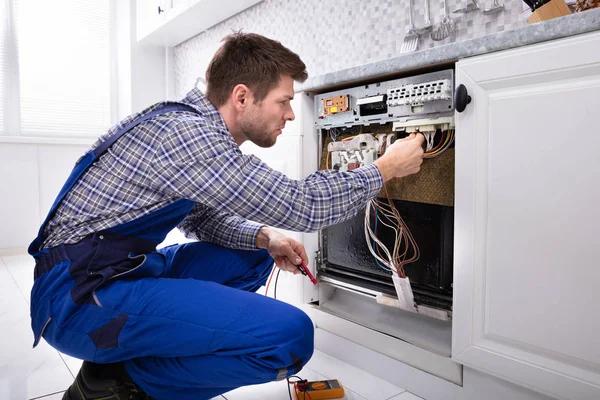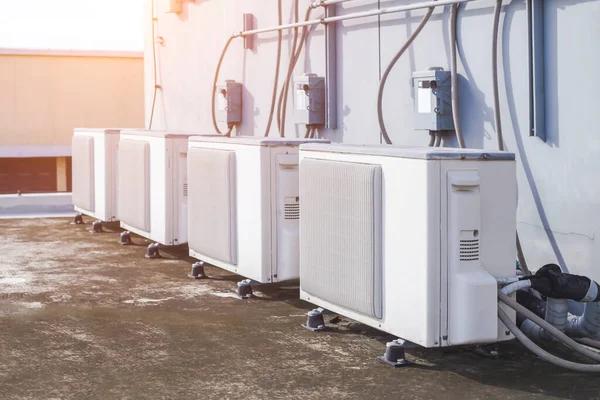
When an air conditioning system or heat pump is not performing optimally, two common issues that technicians often encounter are refrigerant undercharge and airflow problems. Both can cause similar symptoms but have different underlying causes and require distinct fixes. Understanding the differences between these issues helps in diagnosing and repairing HVAC systems efficiently.
Refrigerant undercharge occurs when there is insufficient refrigerant in the system, usually due to leaks or improper charging during installation or maintenance. This lack of refrigerant reduces the system’s ability to absorb heat from indoor air, leading to inadequate cooling performance. One typical symptom of refrigerant undercharge is a noticeable drop in cooling capacity despite the compressor running continuously. The evaporator coil may become excessively cold, sometimes freezing up because of reduced pressure inside the coil. Additionally, energy consumption tends click to find out increase as the compressor works harder to maintain desired temperatures.
In contrast, airflow problems arise when there is restricted or uneven distribution of air over the evaporator coil. Causes include dirty air filters, blocked vents, malfunctioning fans, or ductwork issues such as leaks or obstructions. Poor airflow prevents sufficient warm air from reaching the evaporator coil for heat exchange, resulting in inefficient cooling and discomfort indoors. Unlike refrigerant undercharge where coils freeze due to low pressure, airflow restrictions typically lead to warmer coil temperatures since less cool surface area is available for condensation.
Diagnosing whether an issue stems from refrigerant levels or airflow requires careful inspection and measurement by a qualified technician. Checking system pressures with gauges can identify if refrigerant charge falls below manufacturer specifications while assessing temperature drops across components reveals potential blockages affecting airflow.
Fixing a refrigerant undercharge involves locating and repairing any leaks before recharging the system with appropriate amounts of refrigerant according to manufacturer guidelines. Simply adding more refrigerant without addressing leaks leads only to temporary relief and environmental harm due to escaping gases.
Addressing airflow problems starts with replacing clogged filters regularly and ensuring all vents remain unobstructed by furniture or debris. Inspecting blower motors for proper operation along with sealing duct leaks improves overall circulation within conditioned spaces.
Both conditions reduce HVAC efficiency but correcting them restores comfort while lowering energy costs over time. Recognizing symptoms early prevents further damage such as compressor burnout caused by excessive strain from low charge or overheating linked to poor ventilation around coils. Proper maintenance practices including scheduled inspections help avoid these common pitfalls altogether by keeping both refrigeration levels balanced and air pathways clear throughout equipment lifespan.