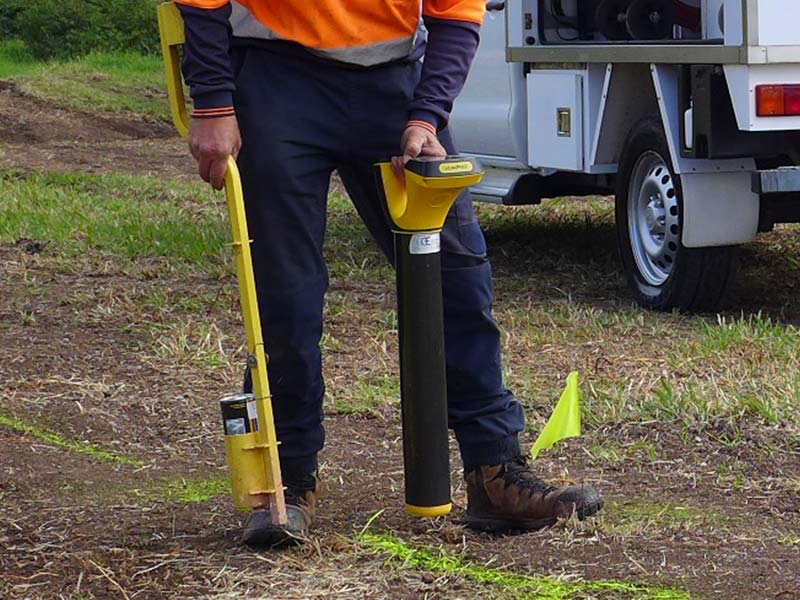
Groundwork activities often hide serious risks beneath the surface. Hidden lines carrying water power or signals can cause damage when struck without notice. Many project delays begin with poor ground checks. Careful planning lowers repair costs, improves worker safety, and keeps schedules steady. Using an underground service locator logan supports early help teams to avoid sudden shutdowns, legal trouble, or service loss. Smart detection tools reveal buried paths clearly before tools touch soil. When risks stay unseen, mistakes rise quickly, and expenses grow without warning. Clear ground knowledge supports safer decisions from start to finish.
Why do hidden ground lines cause major losses?
Unseen ground lines can break during digging, leading to service cuts, injuries, and repair bills. Crews often guess line paths using old plans. Guessing increases risk. Proper locating tools find exact routes, depths, and materials. This clarity stops sudden strikes, reduces delays, and protects workers from danger.
How can planning improve safety before digging?
Good planning includes site review, marking zones, and confirming results. Teams discuss findings before work begins. This shared knowledge avoids confusion. Everyone knows where to avoid digging. Planning with locator results keeps work calm, controlled, and free from sudden emergencies that disrupt progress.
Why accuracy matters for project budgets?
Accurate locating avoids repair spending, legal costs, and wasted labor. One strike can halt work for days. Precise detection keeps schedules intact. Budgets stay predictable. Clients gain trust when projects finish smoothly without surprise bills caused by preventable ground damage incidents.
How does training affect locating success?
Well-trained operators read signals correctly and confirm results carefully. Skill reduces false readings. Training also improves judgment when signals overlap. Skilled use of locator tools ensures better decisions. This lowers risk levels and builds confidence across teams working near hidden lines.
When should the locating be repeated?
Locating should happen before every major dig phase. Ground conditions change records age, and new lines appear. Repeat checks confirm accuracy. This habit catches new risks early. Regular verification keeps safety high and prevents costly mistakes caused by outdated ground information.
What benefits do clear markings provide?
Clear markings guide crews during digging. Visual cues reduce guesswork. Workers respect marked zones. This simple step lowers strike chances. Markings paired with locator data create a clear work map. Teams move with confidence knowing where safe digging areas exist.
How can small teams reduce ground risks?
Small teams benefit from simple steps.
- Use locator tools before any digging starts to identify hidden lines clearly and avoid sudden damage events
- Review ground findings together so every worker understands safe zones and danger areas before work begins
- Mark detected paths visibly to guide actions and reduce guess-based digging during tasks
- Schedule repeat checks when plans change, or soil conditions shift, to confirm continued accuracy
- Keep basic training current so tools are used correctly without misreading signals
Careful ground review transforms risky digging into controlled action. Clear detection guides choices, reduces fear, and protects value. Teams gain insight before tools move, which avoids chaos later. Applying locator methods early creates order safety and cost control. Using the underground service locator logan support as a routine step helps crews act with clarity and care. Projects advance with fewer shocks, better timing, and stronger confidence. The solution lies in planning verification and respect for unseen systems beneath every site.