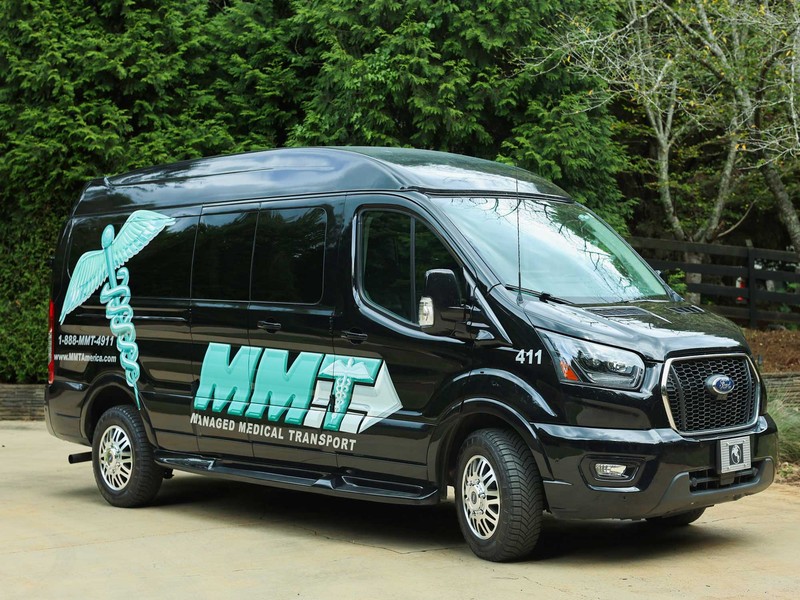
Preparing medical transport for seniors at home requires careful planning and attention to detail to ensure a smooth and safe experience. The process begins by assessing the specific needs of the senior individual, including their mobility level, medical condition, and any special equipment required during transportation. Understanding these factors helps in selecting the most appropriate type of transport service, whether it involves basic non-emergency ambulance services or specialized vehicles equipped with necessary medical apparatus.
Once the type of transport is determined, scheduling should be done well in advance. Contacting a reputable medical transport provider early allows adequate time to coordinate logistics and address any questions regarding care during transit. It is essential to provide the service with accurate information about pickup location, destination, appointment times, and any assistance needed upon arrival. Clear communication ensures that both caregivers and transport personnel are aligned on expectations.
Preparing the home environment is another critical step. Clear pathways from the senior’s room to the exit must be established by removing obstacles such as furniture or loose rugs that could cause trips or falls. Adequate lighting along routes used for movement should be checked before departure time to prevent accidents during loading into the vehicle. If stairs or find out narrow doorways pose challenges, discussing these details with transport staff beforehand allows them to bring appropriate lifting devices or additional support.
Gathering all necessary documentation ahead of time can prevent delays on moving day. Important papers may include identification cards, insurance information, doctor’s orders if applicable, medication lists, and emergency contact numbers. Having these items organized in a folder accessible at all times streamlines interactions between caregivers and healthcare providers involved in transit.
Ensuring comfort throughout transportation is vital for seniors who may feel anxious or physically vulnerable during travel. Dressing them in comfortable clothing suitable for weather conditions reduces discomfort while waiting outside or inside vehicles. Bringing along personal items like blankets or pillows can also help maintain warmth and ease physical strain.
Finally, involving family members or trusted friends provides emotional support during preparation and transit itself. Their presence reassures seniors facing unfamiliar circumstances while offering practical assistance when needed. By following these steps carefully-assessing needs accurately; scheduling appropriately; preparing living spaces thoughtfully; organizing documents systematically; ensuring comfort attentively; engaging supportive companions-the process of arranging medical transport from home becomes manageable and less stressful for everyone involved. This comprehensive approach promotes safety, dignity, and peace of mind throughout each stage of senior medical transportation preparation at home.