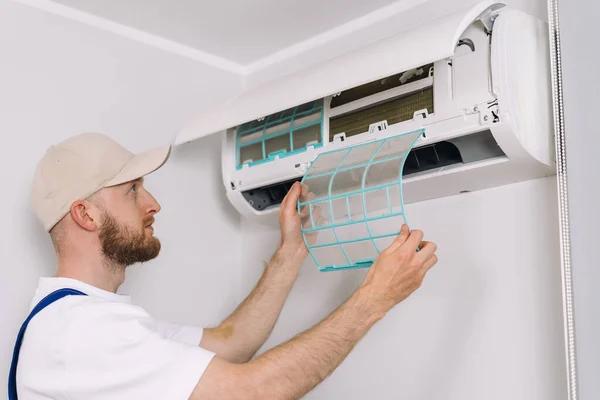
In the realm of scientific research, maintaining optimal environmental conditions is crucial for the accuracy and reliability of experimental results. One of the key factors influencing these conditions is temperature control. Advanced cooling systems have become indispensable tools in laboratories and research facilities, offering precise temperature regulation to support a wide range of experiments. Considering your options for advanced cooling systems can lead to more convenient and efficient research processes.
When exploring cooling solutions, it is important to assess the specific requirements of your research activities. Different types of experiments may demand varying temperature ranges, stability levels, and cooling capacities. For instance, biochemical experiments often require ultra-low temperature environments to preserve sensitive samples, while electronics testing might need consistent cooling to prevent overheating of components. Understanding these needs will help in selecting a cooling system that aligns perfectly with your research goals.
Recent advancements in cooling technologies have introduced innovative systems that combine efficiency, compactness, and user-friendly operation. Modern cooling units employ smart temperature control mechanisms, allowing researchers to set and monitor temperatures remotely via digital interfaces. This convenience not only enhances the precision of experiments but also reduces manual intervention, thereby minimizing human error and saving valuable time.
Another important factor to consider is energy efficiency. Laboratories consume significant amounts of energy, and cooling systems are often among the highest contributors to this consumption. Opting for energy-efficient cooling technologies can significantly reduce operational costs while also supporting sustainability initiatives. Features such as variable speed compressors, eco-friendly refrigerants, and advanced insulation materials contribute to lower energy usage without compromising performance.
Maintenance and reliability are equally critical when choosing an advanced cooling system. Research environments demand uninterrupted operation since temperature fluctuations can jeopardize experimental outcomes. Selecting systems with robust components and easy maintenance protocols ensures long-term reliability. Additionally, many manufacturers now provide comprehensive support services, including remote diagnostics and preventive maintenance, which further enhance system uptime.
In conclusion, considering your options for Advanced Cooling Systems is a vital step toward achieving convenient and effective research conditions. By carefully evaluating your experimental needs, prioritizing energy efficiency, and choosing reliable, technologically advanced cooling solutions, you can create an optimal environment that supports groundbreaking scientific discoveries. Embracing these systems not only improves the quality of research but also streamlines laboratory operations, ultimately contributing to more successful and efficient scientific endeavors.
Advanced Cooling Systems
1660 N Hercules Ave E, Clearwater, FL 33765
727-334-7155