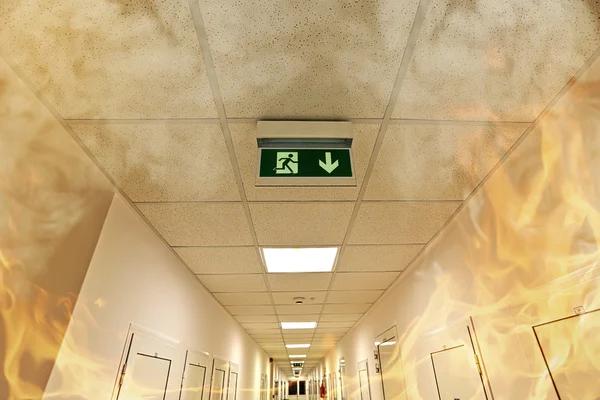
Creating a fire-resistant home is not just about safeguarding your property; it’s about ensuring the safety of your family and preserving cherished memories. With wildfires becoming more frequent and intense, adopting proven safety strategies to protect your home has never been more crucial. By integrating specific design elements, materials, and practices, you can significantly enhance your home’s resistance to fires.
One of the foundational steps in constructing a fire-resistant home is choosing the right building materials. Opt for non-combustible materials such as brick, concrete, or metal for exterior walls. These materials are less likely to ignite compared to wood or vinyl siding. Additionally, consider using Class A roofing materials like asphalt shingles or metal roofs that offer superior protection against flying embers—a common cause of house fires during wildfires.
Landscaping plays a pivotal role in creating a defensible space around your property. Maintain a buffer zone by keeping vegetation trimmed and well-watered. Remove dead plants, leaves, and other debris that could easily catch fire. Plant fire-resistant species that retain moisture better than others; succulents and hardwood trees are excellent choices due to their higher water content and lower flammability.
Windows are another critical area where heat can penetrate during a wildfire. Double-pane windows with find more on our page tempered glass provide better insulation against heat compared to single-pane windows. Consider installing shutters or using window screens made from non-flammable materials for added protection.
The importance of regular maintenance cannot be overstated when it comes to preventing fires at home. Clean gutters regularly to remove leaves and debris that could serve as kindling during a fire event. Inspect your roof periodically for any damaged areas where embers might lodge themselves.
Incorporating technology into your safety strategy can also make a significant difference in protecting your home from fires. Install smoke detectors throughout the house, especially near sleeping areas, and test them monthly to ensure they are functioning correctly. Consider investing in smart home technology such as automated sprinkler systems which can help keep key areas moist during high-risk periods.
Furthermore, having an emergency plan is essential for every household member’s safety should evacuation become necessary due to an approaching wildfire threat. Conduct regular drills so everyone knows what actions need taking without hesitation if danger arises suddenly.
By implementing these strategies—choosing appropriate building materials; maintaining defensible space through strategic landscaping; upgrading vulnerable points like windows; conducting regular maintenance checks; leveraging technology wisely—you create not just structures but sanctuaries capable of withstanding nature’s fury while providing peace-of-mind knowing you’ve done all possible towards securing both life & legacy within those walls against potential fiery onslaughts outside them!