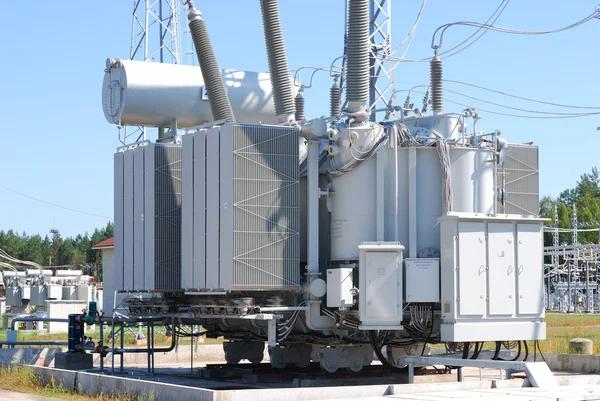
Transformer blast walls are critical components in the infrastructure of electrical substations, designed to protect both personnel and equipment from the potentially catastrophic effects of transformer failures. These structures must be expertly engineered to withstand high-energy blasts resulting from electrical faults or malfunctions. Understanding the key features that contribute to maximum protection can ensure that these barriers perform effectively under extreme conditions.
A primary consideration in transformer blast wall design is material selection. The materials used must possess high tensile strength and durability to absorb and deflect energy from explosions. Reinforced concrete is commonly employed due to its robustness and ability to be molded into various shapes for optimal coverage. Additionally, steel reinforcements within learn the ins and outs concrete enhance its structural integrity, making it capable of withstanding significant impact forces without crumbling or collapsing.
The wall’s thickness plays a crucial role in its protective capability. Adequate thickness ensures that the wall can absorb shock waves generated by an explosion, reducing their transmission beyond the barrier. Engineers often conduct detailed simulations based on potential blast scenarios to determine the appropriate thickness required for effective mitigation.
Height is another vital factor in designing transformer blast walls. The walls need sufficient height not only to block direct line-of-sight exposure but also to contain any projectiles resulting from an explosion within a defined area. This containment prevents debris from causing damage beyond the immediate vicinity of the substation.
Positioning and orientation further influence a blast wall’s effectiveness. Strategic placement ensures that any explosion directs force away from critical assets like control rooms or other transformers, thereby minimizing collateral damage. Moreover, angled designs help deflect explosive forces upward rather than directly opposing them head-on, enhancing overall resilience.
Ventilation considerations are essential as well since transformers generate substantial heat during operation. Blast walls must incorporate ventilation systems that allow for adequate airflow while maintaining structural integrity against potential blasts. Proper ventilation prevents overheating without compromising safety standards.
Incorporating advanced technology such as sensors and monitoring systems can augment traditional design elements by providing real-time data on stress levels and structural health post-event analysis allows engineers to assess performance accurately after incidents occur, facilitating continuous improvement in future designs.
Finally, compliance with industry standards and regulations is imperative throughout all stages of design and construction processes ensuring adherence guarantees not only legal conformity but also alignment with best practices established through research development initiatives across global engineering communities dedicated towards enhancing safety measures surrounding power distribution networks worldwide ultimately protecting human lives investments alike through innovative resilient solutions tailored specifically addressing unique challenges posed environments they serve diligently safeguarding modern society’s essential infrastructure needs reliably sustainably long-term vision commitment shared responsibility among stakeholders involved process collaboratively working together achieve common goals objectives seamlessly efficiently effectively every step way forward progress innovation excellence pursuit better safer tomorrow today forevermore!